A tree is a single stroke that remembers every
branch it has ever grown.
I am an Iranian-born artist working at the intersection of
classical textile logic and generative systems. My work
begins with a simple observation: the woven surface —
repetitive, mathematically structured, infinitely variable —
has always been a form of computation, long before computers.
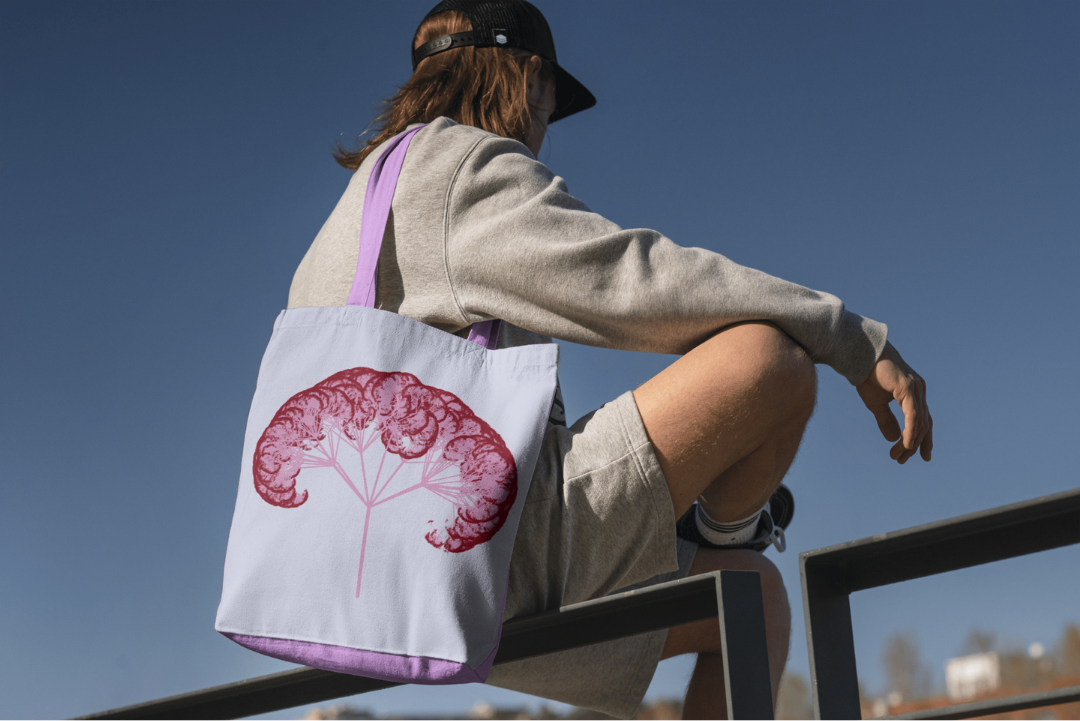
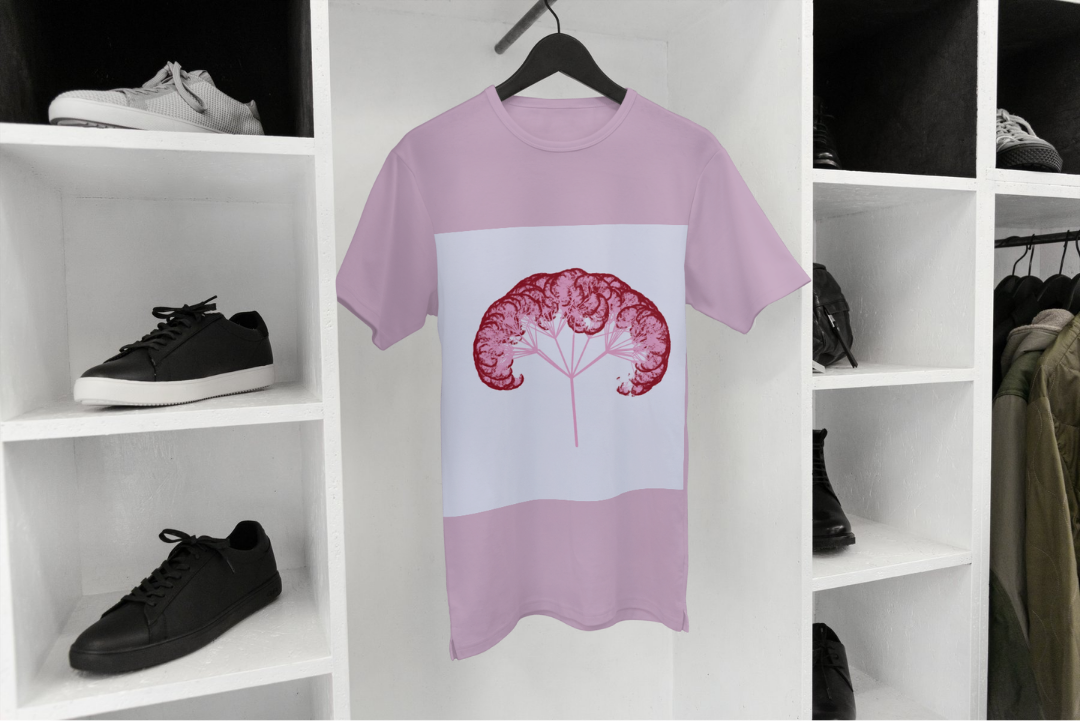
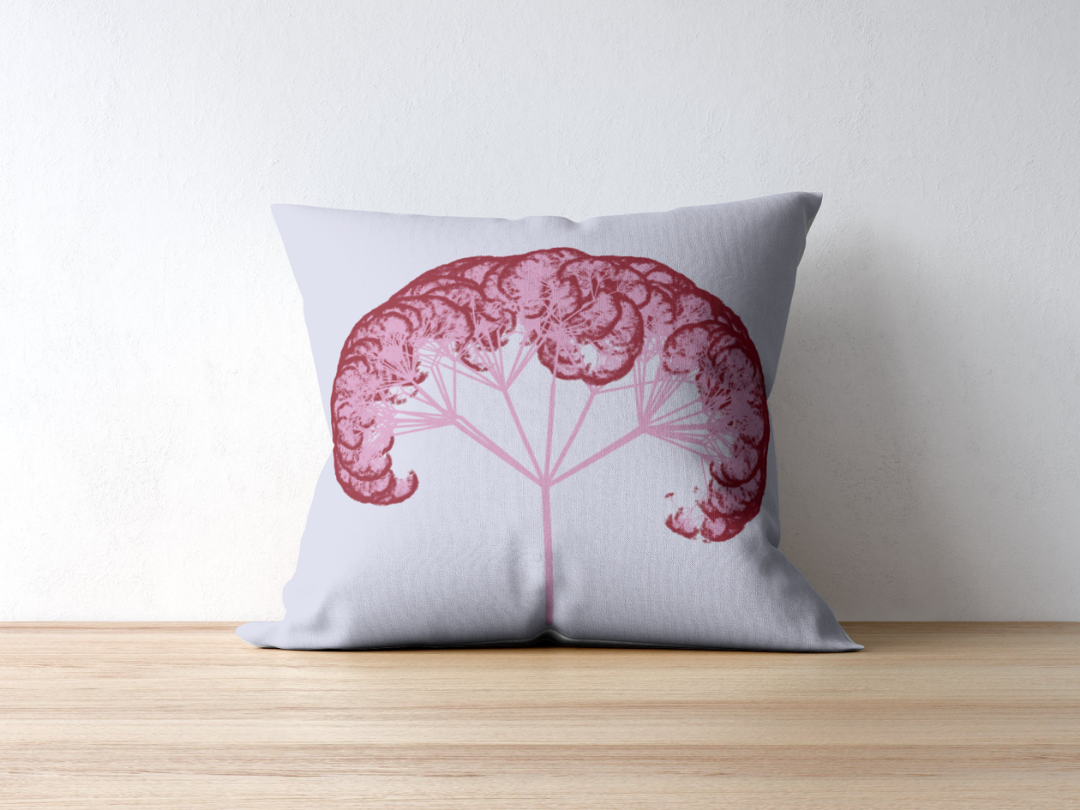
Pappus is named for the seed-bearing
tuft of a flower — the small, feathered structure carried
on the wind. In this system, that tuft becomes a fractal
tree: a recursive branching structure that grows from a
single point, splitting at each generation into one to
eleven sub-branches.
Every branch follows the golden ratio — its length scaled
by 0.618, its angle drawn from a bounded range. Two
colours govern the tree: one for the body (the deeper
strokes) and one for the hair (the fine tips). The
composition grows from a seeded point in the lower half
of the canvas, its final form emergent rather
than planned. Each piece is defined by a numeric seed and
can be regenerated, documented, and adapted for textile,
print, and surface applications.
On AI tools — where I encountered technical
obstacles, I turned to AI tools for debugging and code
optimization. Every structural, aesthetic, and conceptual
decision remained my own.