Variation
A numeric seed drives the recursive backtracking that fills the grid, and the random cells that are later removed to create the puzzle. Each composition is regenerated and documented as a distinct, traceable output.
A playable Sudoku board — generated from a seed, solved by logic, ready as a wall hanging, a scarf, or a puzzle on your coffee table.
For fashion houses, textile studios and surface designers. Each composition is generated from a single numeric seed and can be licensed, adapted or commissioned to your brief.
A puzzle, when it is generated rather than posed, becomes a textile — playable, structural, quietly yours.
I am an Iranian-born artist working at the intersection of classical ornament and generative systems. My work begins with a simple observation: the logic puzzle — rule-bound, symmetrical, endlessly re-playable — has always carried the structure of ornament. From the geometric grids of Persian tilework to the numbered squares of a Sudoku, the solved grid is a small architecture of constraint.
Enigma Sudoku is a seed-based generative system that translates that structure into code. Each composition is a playable Sudoku board, generated by recursive backtracking, then stripped of 40 cells to create the puzzle. The plate is live: you can click to select a cell, choose a number, and solve the puzzle on the canvas itself.
The puzzle layout, the missing cells, and the seed are all derived from a single numeric value. Each piece can be regenerated, documented, and adapted for textile, print, and surface applications — from scarves and yardage to wallpaper and archival print.
The same seed, presented as an archival print — and applied across fabric, scarf, textile and wall surfaces without loss of structure.
Every surface below is drawn from the same numeric seed — its repeat, orientation and scale adapted to the material, while the underlying structural logic remains identical.
A numeric seed drives the recursive backtracking that fills the grid, and the random cells that are later removed to create the puzzle. Each composition is regenerated and documented as a distinct, traceable output.
A 9×9 grid divided into nine 3×3 boxes. Every row, column, and box must contain the digits 1–9 exactly once. The puzzle is generated by recursive backtracking with a constraint check.
The plate is live. Click a cell to select it, then choose a number from the row below, or press 1–9 on your keyboard. Correct entries lock in place; incorrect ones appear in red.
Enigma Sudoku is a generative design system rather than a single artwork. Its puzzle-grid visual language can be adapted for fashion, textile development and other surface-oriented contexts — while maintaining a computational origin.
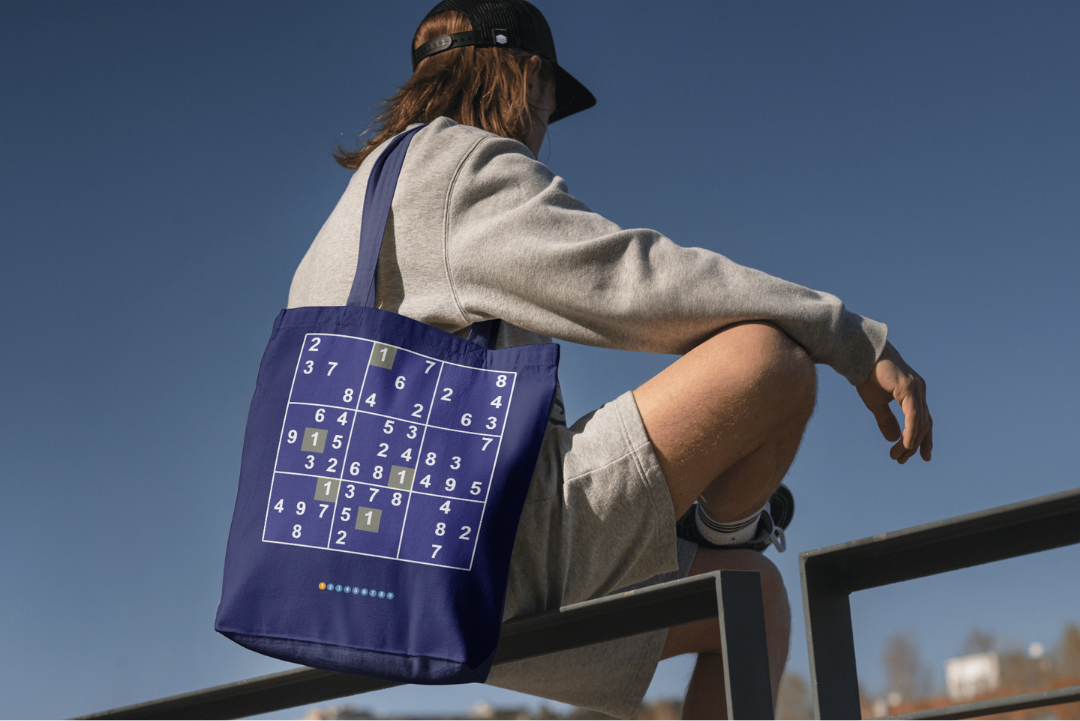
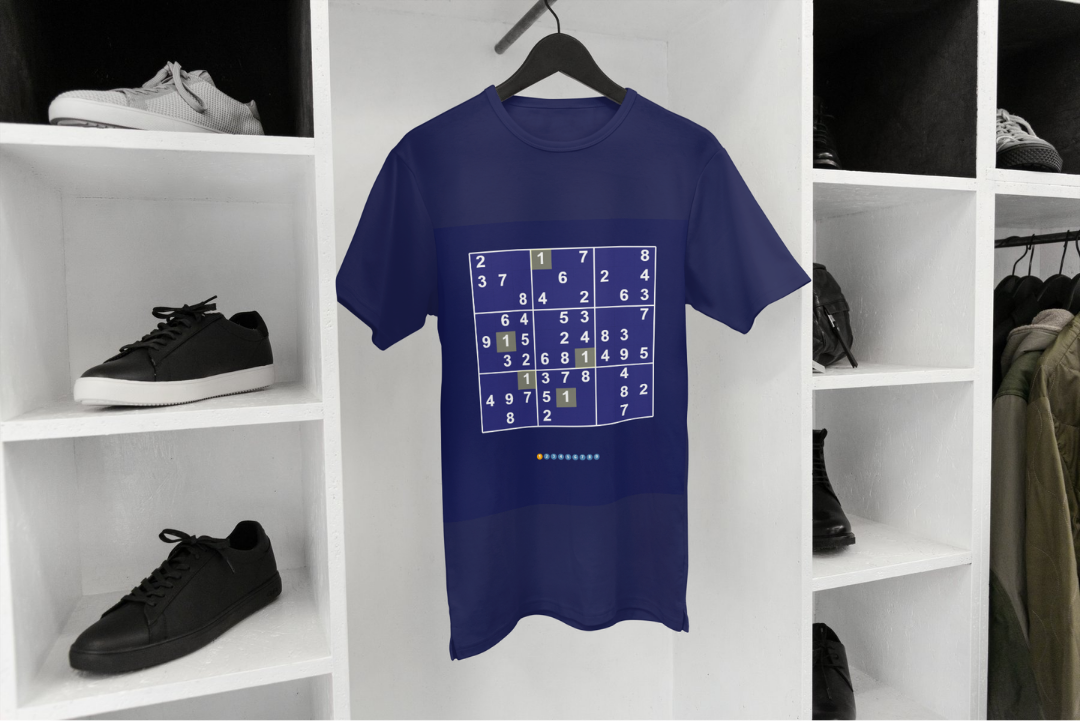
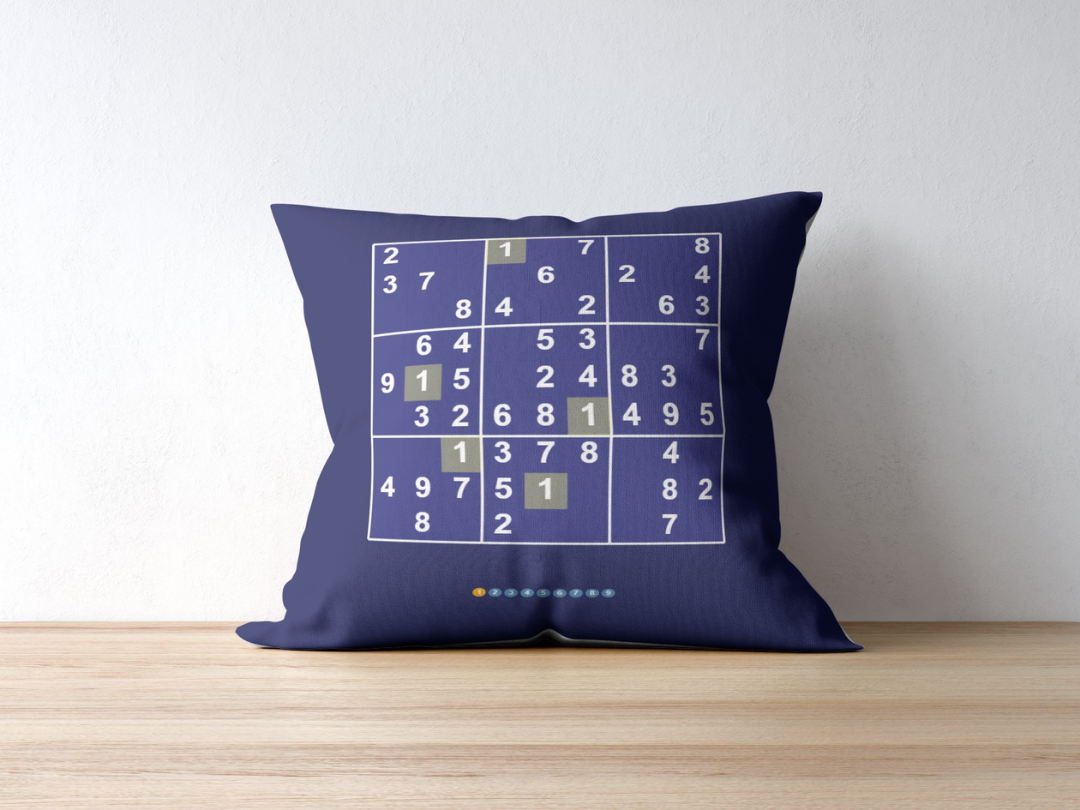
Each surface is drawn from the same numeric seed — reproducible, licensable, adaptable to your brief.